
Char Dham Yatra Details - Opening & Closing Dates
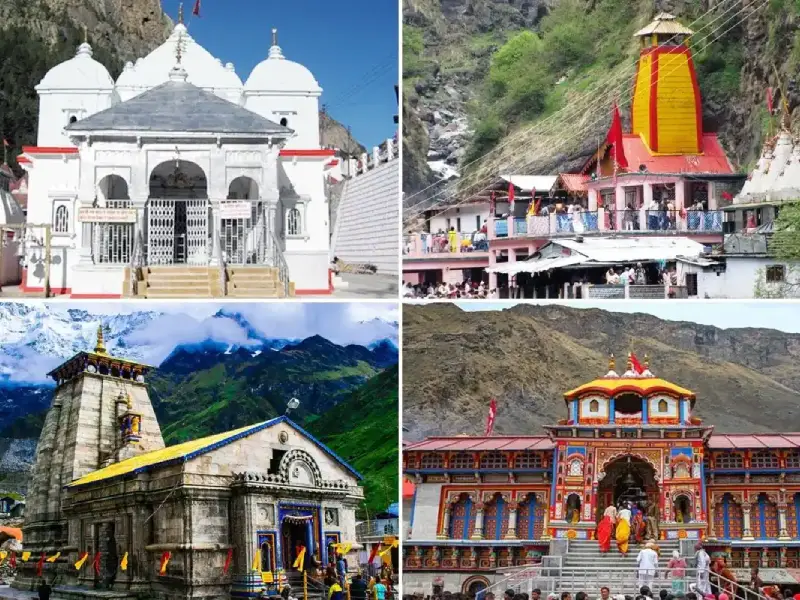
The Char Dham Yatra connects four major Hindu religious shrines at Yamunotri, Gangotri, Kedarnath, and Badrinath. It is believed that completing the route offers Moksha, a salvation/liberation and washes away sins. Each shrine is devoted to a major Hindu deity. Due to the high altitude and heavy snowfall in the winter season, the temples are open for only about 6 months in a year, starting with the arrival of Summer.
Ethically, the pilgrimage route goes in a clockwise orientation from Yamunotri – Gangotri – Kedarnath – Badrinath.
About Char Dham Yatra Package –
Due to the difficult terrain and logistics at high altitude, most devotees will take structured packages:
The road journey usually takes 10 to 12 days from the starting sites, which could begin from Haridwar or Delhi. The most popular method wherein travellers explore by car, bus or shared taxi service from Haridwar, Rishikesh, or Dehradun, along with whatever climbs are needed. This luxurious option avoids walking and cuts the travel substantially to 4 to 6 days, especially at Kedarnath and Badrinath (Do Dham). All the road transfers, lodging usually at Guptkashi, Barkot, Uttarkashi, etc., daily meals, vegetarian, and assistance regarding Darshan are usually included in the packages themselves.
The Uttarakhand government has made it compulsory for every pilgrim to get physically and biometrically registered before setting out for the Yatra.
Char Dham Yatra Destinations –
Yamunotri: It is the source of the Yamuna River from where the route begins. The temple is dedicated to the Goddess Yamuna and was originally built by Maharani Guleria of Jaipur in the 1800s. Travel via a strenuous 6 km hike from Janki Chatti or from Kharsali. You will find ponytails and palkis to travel there. Another unique feature is that devotees boil rice and potatoes as an offering at the nearby Surya Kund, a natural thermal hot spring.
Gangotri: The Ganges River is the most sacred in Hinduism, is believed to have originated there. The temple is dedicated to Goddess Ganga. It is believed to bring the Ganga down to Earth; King Bhagirath performed penance here. Roads are the primary means of access. The Gaumukh Glacier itself, the true source, is 18 km away by tough hiking.
Kedarnath: One of the 12 Jyotirlingas or lingams of light, Kedarnath is dedicated to Lord Shiva. The huge stone structure was built by Adi Shankaracharya. It is associated with the Pandavas seeking atonement after the Mahabharata war. A tedious trek of 16 to 18 km from Gaurikund/Sonprayag. The helicopter services are also available from nearby helipads like Guptkashi and Phata. The god is shifted to Omkareshwar Temple in Ukhimath after the temple is closed.
Badrinath – The only shrine in the Chota Char Dham that is a part of the original, all-India Char Dham route established by Adi Shankara, Badrinath is dedicated to Lord Vishnu, in the form of Badrinarayan. The temple is located between the mountains Nar and Narayan. In the Alaknanda River, there’s an image of Lord Vishnu, made of black stone. The god is shifted to the Narsingh Temple in Joshimath once the temple is closed.
Opening & Closing Dates of Char Dham Yatra –
Using the astrological calculations and the Hindu Panchang or the almanack, the temple committees establish the opening and closing dates of the shrines every year. These usually fall between late April and mid-November.
· Yamunotri – November
· Gangotri – November
· Kedarnath – April to November
· Badrinath – April to November
Best time of the year to travel –
During the Yatra season, there’s an onrush of pilgrims, but choosing the right time influences your experiences.
Peak season – May to June. Sunny weather with agreeable warm days, reaching 30 degrees Celsius, with chilly nights. Melting snow. Most suitable for those pilgrims travelling for the first time. It offers the most pleasant weather for trekking and unobstructed roads.
Monsoon Season – This is very crowded from July to August. Continuous heavy rain, cold and dam. High risk of road blockages, landslides, and traffic jams. Travel is very hazardous and probably seriously disrupted.
Post Monsoon Season – September to October brings clear and crisp skies, excellent mountain views with very cool/chilly weather reaching to 0 degrees Celsius. Ideal for landscape and calmness. Less crowded than May and June, so more tranquil for the pilgrimage.
Conclusion –
The Char Dham Yatra forms a test of faith and stamina more than a pilgrimage, against the backdrop of the mighty, breathtaking Himalayas. The fortunate dates and harsh weather constitute the 6 month window of accessibility heightens the spiritual energy even further, considering how important proper planning is. If devotees comprehend the nature of each shrine, they can schedule the visits at the optimal periods and therefore ensure a safer and enriching trip toward salvation.